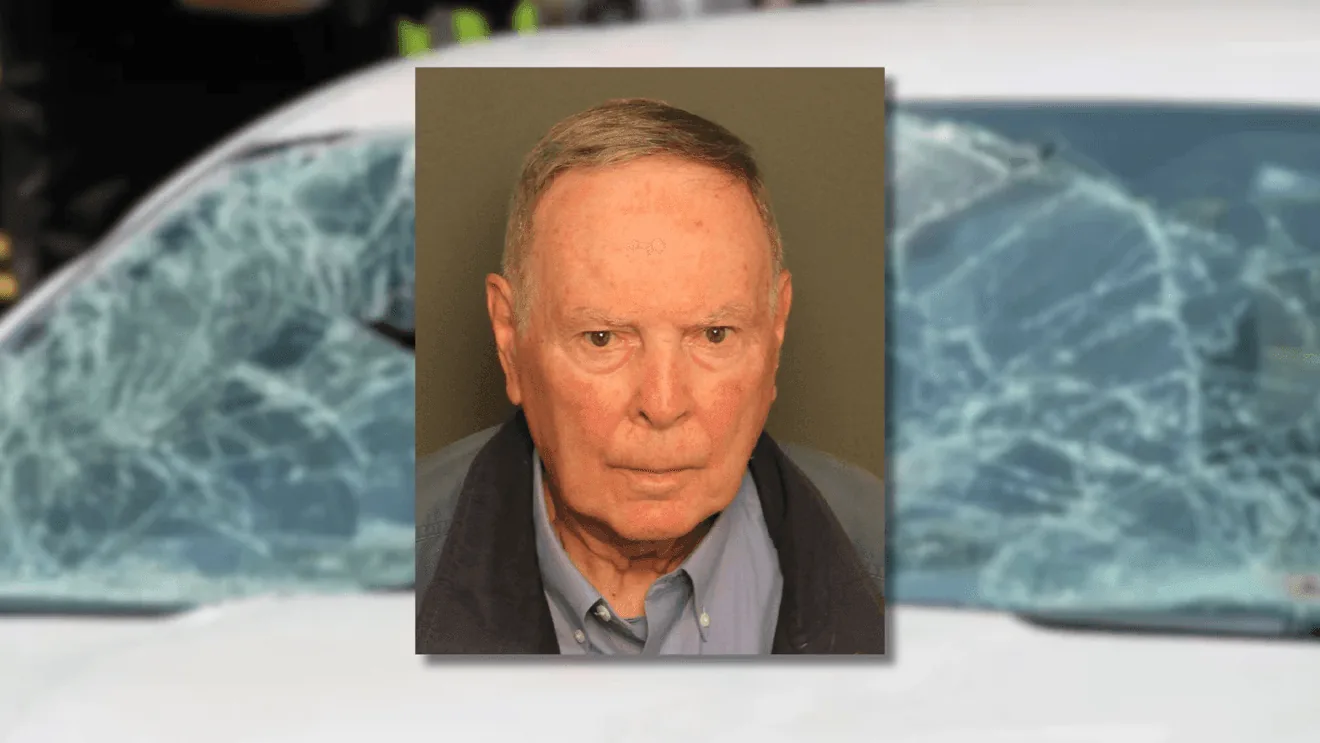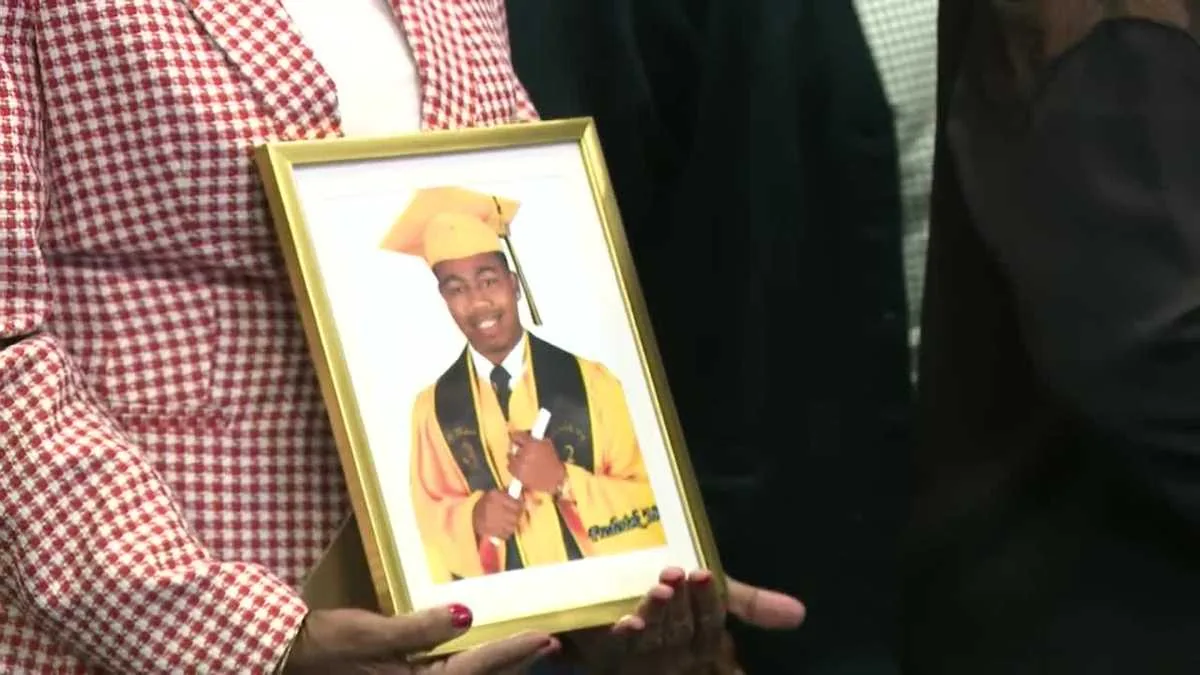
NEW ORLEANS, LA — A New Orleans jury has convicted Jeremiah Williams in the fatal shooting of U.S. Army Reserve Sgt. Frederick Magee Jr. in the Warehouse District, according to the Orleans Parish District Attorney’s Office. Williams received a life sentence for murder after prosecutors said surveillance video, cellphone data and physical evidence tied him to the Nov. 3, 2024, killing.
The Facts
- What: Jeremiah Williams was convicted in the killing of U.S. Army Reserve Sgt. Frederick Magee Jr. and sentenced to life in prison.
- Where: The shooting happened in the 700 block of Tchoupitoulas Street in New Orleans’ Warehouse District.
- When: The shooting took place on Nov. 3, 2024, and the jury returned its verdict on Oct. 23.
- Who: Prosecutors said Magee was the victim and Williams was the shooter. Co-defendant Jerroy Holden later pleaded guilty to obstruction of justice.
- Charges: Williams was convicted of second-degree murder, obstruction of justice and possession of a firearm or weapon by a convicted felon.
- Status: Williams was sentenced to life for murder, 40 years for obstruction of justice and 20 years on the weapons count, according to prosecutors.
What police say
According to the district attorney’s office, Magee was found lying on the sidewalk outside a hotel with multiple gunshot wounds. He was pronounced dead at the scene. Prosecutors said surveillance footage showed the driver of a black SUV getting out, walking toward Magee and firing a rifle.
The DA’s office said the gunman kept shooting after Magee fell to the ground, then got back into the SUV and fled. Investigators recovered 12 spent rifle casings at the scene, prosecutors said. The office said the evidence supported the case presented to the jury.
NOPD Homicide Detective Matthew Riffle led the investigation, according to the district attorney’s office. Prosecutors said the case relied on surveillance footage and cellphone data that helped track the vehicle’s movements to the West Bank.
The District Attorney’s Office said an all-women Homicide Unit prosecution team handled the case.
The investigation
Investigators later found a burned SUV that they believed was used in the shooting, prosecutors said. The district attorney’s office said the vehicle evidence and digital records helped identify Williams as the shooter.
Holden’s guilty plea added another piece to the case, according to prosecutors. The NOPD investigative report said Holden helped burn the vehicle used in the killing. That kind of follow-up work is common in homicide cases, where detectives often compare video, phone records, witness statements and recovered physical evidence.
Police and prosecutors did not describe any outstanding suspect tied to the shooting. In cases like this, investigators often continue checking whether additional evidence or testimony may support related charges, sentencing arguments or future prosecutions.
What the charges mean
Second-degree murder is one of the most serious homicide charges in Louisiana. It generally means prosecutors believe the killing was intentional or happened under circumstances that meet the state’s murder statute. A life sentence reflects the severity of that conviction.
Obstruction of justice usually refers to actions meant to hide evidence, interfere with an investigation or help someone avoid detection. In this case, prosecutors said that included the burned SUV. A felon-in-possession charge means the state believes the person had a gun or other weapon after a prior felony conviction.
When a jury returns guilty verdicts on multiple counts, judges can impose separate prison terms for each offense. Those sentences may run at the same time or one after another, depending on the court’s ruling and the law governing the case.
What happens next
The district attorney’s office said sentencing had been scheduled for Friday, Nov. 6, following the Oct. 23 verdict. Once a defendant is sentenced, the case typically moves into the post-trial stage, where appeals or other legal challenges may follow.
For the family of the victim, the conviction closes the trial phase but not necessarily the broader court process. In serious felony cases, defendants can seek review of trial rulings, evidence or jury instructions, while prosecutors begin enforcing the sentence imposed by the judge.
Have information on a crime? Contact local police or Crime Stoppers at 1-800-222-8477 (TIPS).