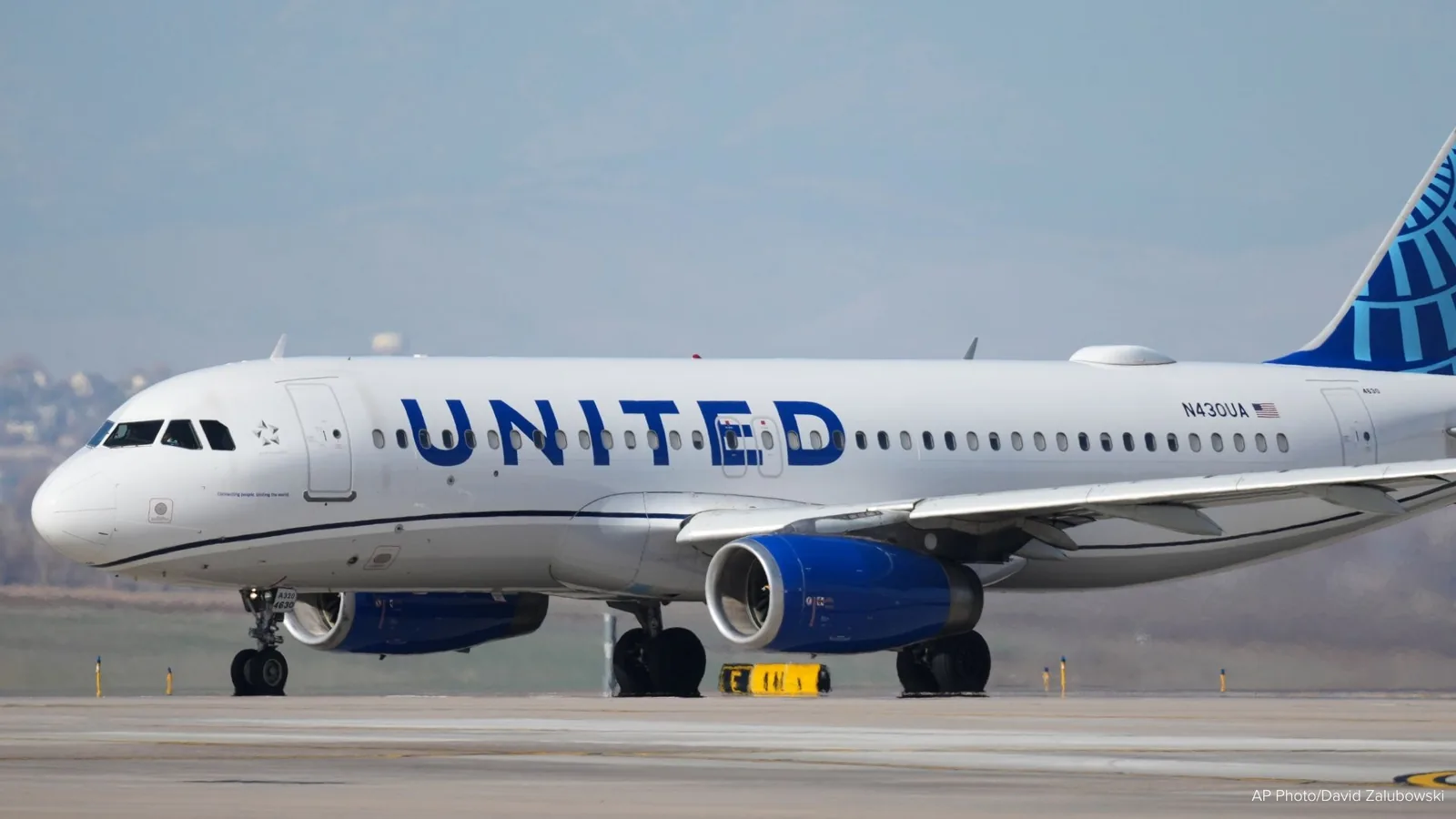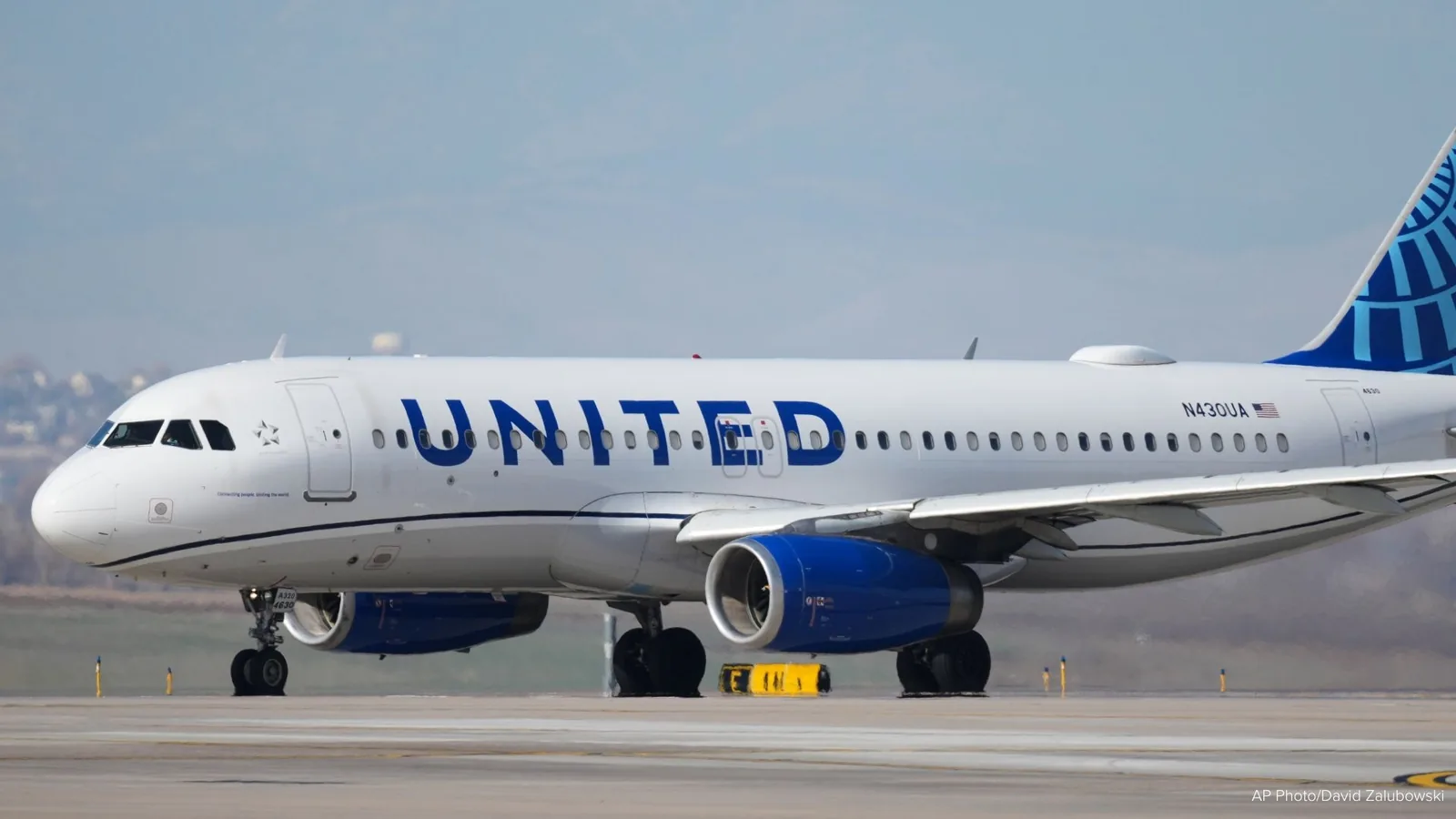
NEW YORK, NY — A man authorities identified as Rony Alexander Gomez-Alberto was arrested after allegedly telling crew members he had a bomb aboard a United Airlines flight from Newark to New Orleans. The plane landed safely at Louis Armstrong New Orleans International Airport, where law enforcement met it and took him into custody without incident.
The Facts
- What: Authorities say Gomez-Alberto allegedly made a bomb threat during a commercial flight.
- Where: The incident happened aboard a United Airlines Boeing 737 Max 9 traveling from Newark, New Jersey, to New Orleans, Louisiana.
- When: The alleged threat was made late Monday, according to the Jefferson Parish Sheriff’s Office.
- Who: The suspect was identified as Rony Alexander Gomez-Alberto, 34, whom officials said had ties to the Bronx.
- Charges: He was booked on charges of communicating false information of planned arson and terrorizing.
- Status: Gomez-Alberto remained in custody in Louisiana without bond, and U.S. Immigration and Customs Enforcement lodged a detainer.
What police say
The Jefferson Parish Sheriff’s Office said Gomez-Alberto began acting irrationally during the flight and told crew members he had a bomb on board. Authorities said the claim led to a law enforcement response after the aircraft arrived in New Orleans.
United Airlines said the flight landed safely following what it called a disruptive incident involving a passenger. The airline said officers met the plane on arrival.
Officials said the aircraft was carrying 46 passengers and six crew members. No injuries were reported, and Gomez-Alberto was taken into custody at the airport without incident.
United Airlines said the aircraft landed safely “following a disruptive incident involving a passenger onboard.”
The investigation
The Federal Aviation Administration said it plans to investigate the incident. That is standard in cases involving threats or disturbances aboard aircraft, especially when airline crews and airport police have to respond to a security concern.
In cases like this, investigators typically review crew accounts, passenger statements, flight records, and any available video or communications from the flight. They also work with airport authorities and federal agencies to confirm what was said and how the situation developed.
No public tip line was announced in the information released about the case. If federal or local investigators seek additional witness information, passengers and crew members are often asked to cooperate with law enforcement.
What the charges mean
Communicating false information of planned arson is a criminal charge used when someone is accused of making a false threat involving fire or an explosive risk. Terrorizing is generally used for conduct meant to cause fear or panic, especially when it creates a public safety response.
Charges are only allegations at this stage. A booking means police or sheriff’s deputies processed the suspect after arrest, but it does not determine guilt. The case then moves through the local court system, where prosecutors must prove the accusations.
Being held without bond means a judge has not set release conditions, or custody is being maintained under current court or detention rules. An ICE detainer also means immigration authorities want to be notified before release so they can take custody if allowed by law.
What happens next
The case is expected to move forward in Louisiana, where Gomez-Alberto remains in custody. Court proceedings would ordinarily include an initial appearance, possible bond review, and later hearings on the criminal charges.
Separate immigration proceedings may also follow because federal officials said ICE lodged a detainer. The criminal case and any immigration action can move on different tracks.
Have information on a crime? Contact local police or Crime Stoppers at 1-800-222-8477 (TIPS).