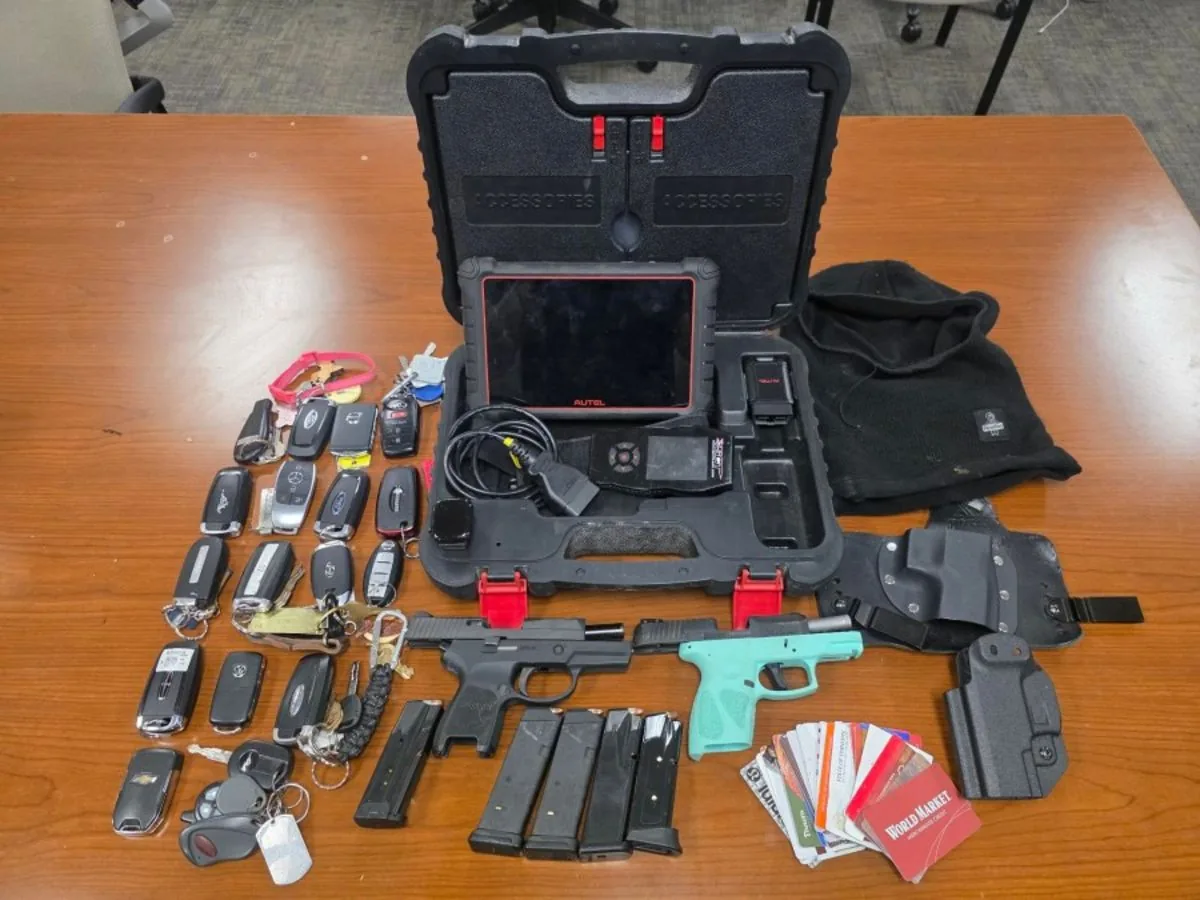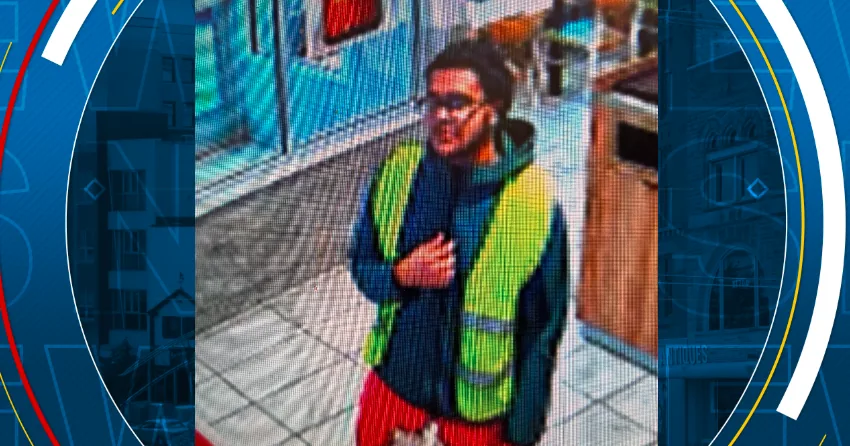
BATON ROUGE, LA — East Baton Rouge Parish deputies arrested Torrey Lewis Jr., 34, after uncovering what the sheriff’s office described as a large fentanyl manufacturing operation in Baton Rouge. Investigators say the lab was capable of producing a massive amount of fentanyl and was found during search warrants tied to a months-long drug probe.
The Facts
- What: Deputies say they uncovered a clandestine fentanyl synthesis lab and a trafficking operation.
- Where: Properties on Cottage Hill Drive, Bluebonnet Boulevard and Mammoth Avenue in Baton Rouge.
- When: Lewis was arrested Thursday after a three-month investigation and surveillance operation.
- Who: Torrey Lewis Jr., 34, was identified by the East Baton Rouge Parish Sheriff’s Office.
- Charges: Operation of a fentanyl clandestine laboratory, possession with intent to distribute Schedule II narcotics, possession of drug paraphernalia, illegal carrying of a firearm with drugs and money laundering.
- Status: Lewis was arrested, and investigators say the case remains open.
What police say
The East Baton Rouge Parish Sheriff’s Office said deputies and Louisiana State Police Troop NOLA watched Lewis over the last three months and saw him distribute suspected fentanyl to multiple locations around New Orleans. That surveillance led investigators to three Baton Rouge properties they believed were tied to the operation.
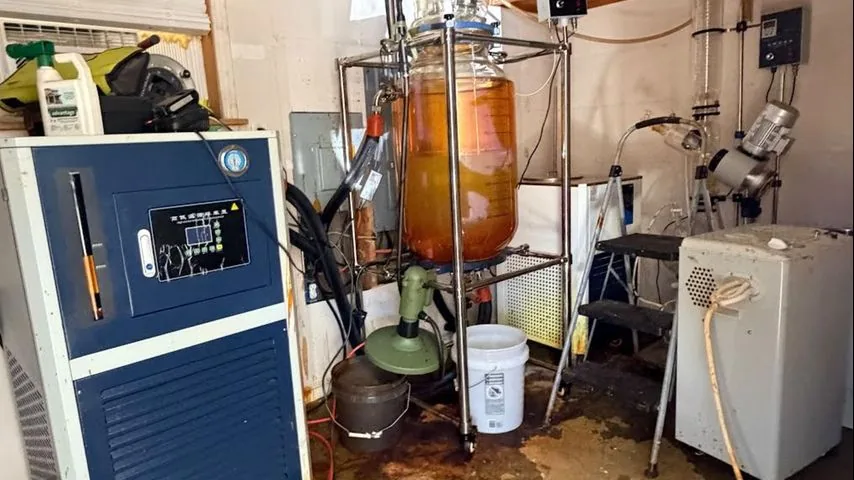
At one Cottage Hill Drive location, deputies said they found a professional-grade clandestine lab for fentanyl synthesis. Officials said the site contained large amounts of dichloromethane, ethanol and other chemicals associated with fentanyl production.
The sheriff’s office also said the laboratory equipment alone was worth about $250,000. Investigators said the main reactor vessel contained about 58 liters of liquid. If fully converted, they said, that amount could produce about 127 pounds of fentanyl powder.
“Fentanyl has devastated far too many families, and the individuals responsible for manufacturing and distributing it have no regard for the lives they destroy,” Sheriff Sid J. Gautreaux III said. “We will continue to pursue these operations aggressively, working across jurisdictional boundaries to protect the people we serve.”
Authorities said the DEA considers the Baton Rouge lab the largest domestic fentanyl synthesizing laboratory found so far in the New Orleans Field Division, which includes Louisiana, Alabama, Arkansas and Mississippi.
The investigation
Officials said the probe involved coordinated work between parish deputies and state police, with surveillance helping connect the suspected trafficking activity to the Baton Rouge properties. The search warrants were served after investigators said they had built enough information to link the locations to Lewis.
In drug investigations, surveillance, property searches, chemical testing and financial records can all help show whether a location is being used to manufacture or distribute narcotics. Investigators also look for guns, packaging materials, scales and other items that may support additional charges.
When a case involves suspected fentanyl production, agencies often treat it as both a drug and public-safety matter because the substance is extremely potent and can be lethal in very small amounts. Officials did not say whether anyone else was arrested.
What the charges mean
A charge of operating a clandestine laboratory generally alleges that a person was involved in making an illegal drug using equipment and chemicals set up for that purpose. Possession with intent to distribute means prosecutors believe the drugs were not for personal use, but for sale or delivery.
Drug paraphernalia charges can cover tools and materials used to make, package or use narcotics. A firearms charge tied to drugs alleges that a weapon was unlawfully carried in connection with narcotics activity. Money laundering charges usually point to efforts to move or hide proceeds from suspected criminal conduct.
These charges are allegations unless and until proven in court. A defendant is typically booked, then brought before a judge for later court proceedings, where prosecutors must present evidence and the defense may challenge the accusations.
Because fentanyl cases can involve federal, state or parish authorities, additional charges or parallel proceedings are sometimes possible, depending on what investigators find and how the case develops.
What happens next
Investigators said the case is ongoing, which means evidence from the Baton Rouge searches may still be reviewed and tested. Prosecutors will decide how to move forward in court, including whether to present the matter to a grand jury or proceed by formal charges, depending on the case’s path.
No court date was included in the sheriff’s office information. Lewis will remain subject to the criminal court process as the allegations are handled through the parish system.
Have information on a crime? Contact local police or Crime Stoppers at 1-800-222-8477 (TIPS).