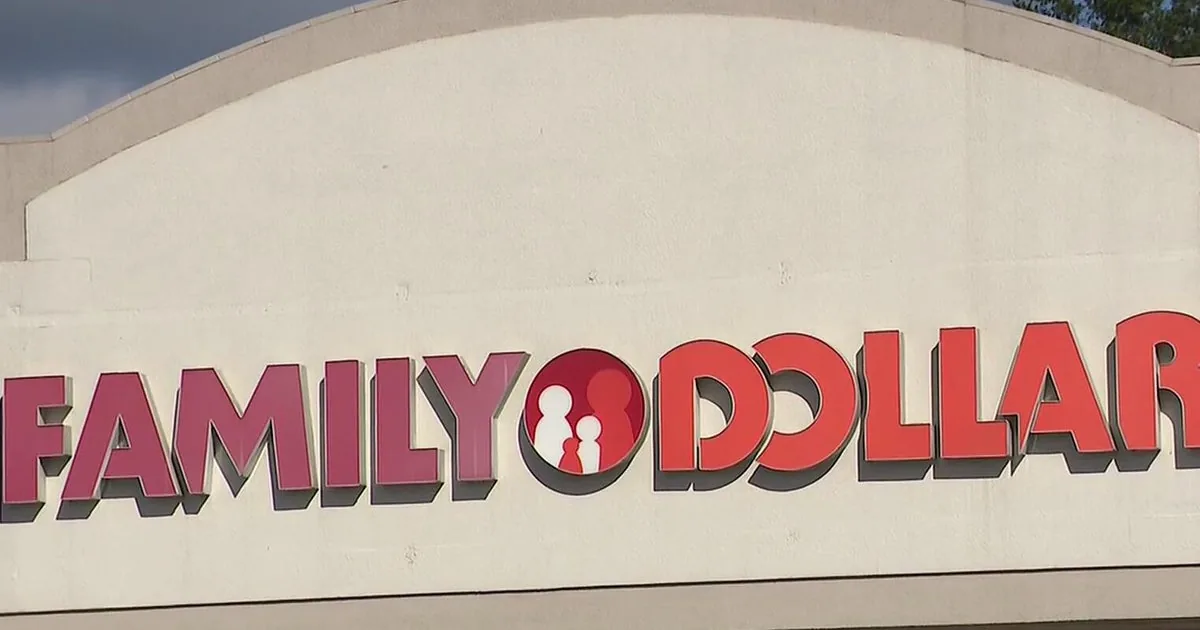
WASHINGTON, DC — Family Dollar has agreed to pay $63 million to resolve allegations that customers were overcharged at stores across the country, according to officials involved in the case. The settlement follows claims that prices at the register did not match posted shelf tags or other advertised prices, affecting shoppers in multiple states.
The Facts
- What: Family Dollar agreed to a $63 million settlement tied to claims that customers were charged more than advertised.
- Where: The allegations involved Family Dollar stores nationwide.
- When: The settlement was announced in connection with claims brought before Nov. 18, 2026.
- Who: Family Dollar and customers who say they were overcharged.
- Charges: This is a civil settlement, not a criminal case.
- Status: The company has agreed to pay $63 million to settle the claims.
What police say
There is no criminal arrest or police investigation in this matter. The issue centers on consumer pricing claims, which are handled through civil enforcement and settlement talks rather than a criminal case.
According to the claims, some shoppers paid more at the register than the price shown on the shelf or advertised for the item. Such cases typically focus on whether a retailer failed to keep prices accurate and whether customers were reimbursed properly.
The settlement is meant to resolve those allegations without a trial. Family Dollar did not admit criminal wrongdoing as part of a settlement described in the news coverage.
The investigation
In pricing cases like this, investigators and attorneys generally review store records, pricing systems, scanner data, and consumer complaints. They may also compare shelf labels with register receipts to see whether the prices matched.
When a chain operates in many states, a settlement can cover broad groups of shoppers rather than one store or one city. The exact claims process is usually set out later, including who may qualify for money and what proof, if any, is required.
Consumers who believe they were affected often are told to watch for settlement notices, claim forms, or refund instructions. Those notices explain how to file a claim and by what deadline. No tip line was included in the coverage of this case.
What the charges mean
Because this is a civil settlement, the money does not reflect criminal charges. Instead, it resolves allegations that a company did not charge shoppers the correct advertised price. Civil cases can end in payments, refunds, or changes to business practices.
In plain terms, settlements are often used to avoid a longer court fight. A company may agree to pay money without admitting every allegation, while consumers or state officials give up the chance to keep litigating those claims in court.
For shoppers, the practical question is usually whether they are eligible for a refund or payment. That depends on the final settlement terms, which commonly spell out who qualifies, what records matter, and how claims are submitted.
What happens next
The next steps usually involve setting out the claims process and making the settlement available to affected customers. That can include notices, a website for claim submissions, and deadlines for filing paperwork.
After that, the court or settling parties typically oversee distribution of payments and any other required terms. Customers should look for official settlement instructions before assuming they qualify.
Have information on a crime? Contact local police or Crime Stoppers at 1-800-222-8477 (TIPS).