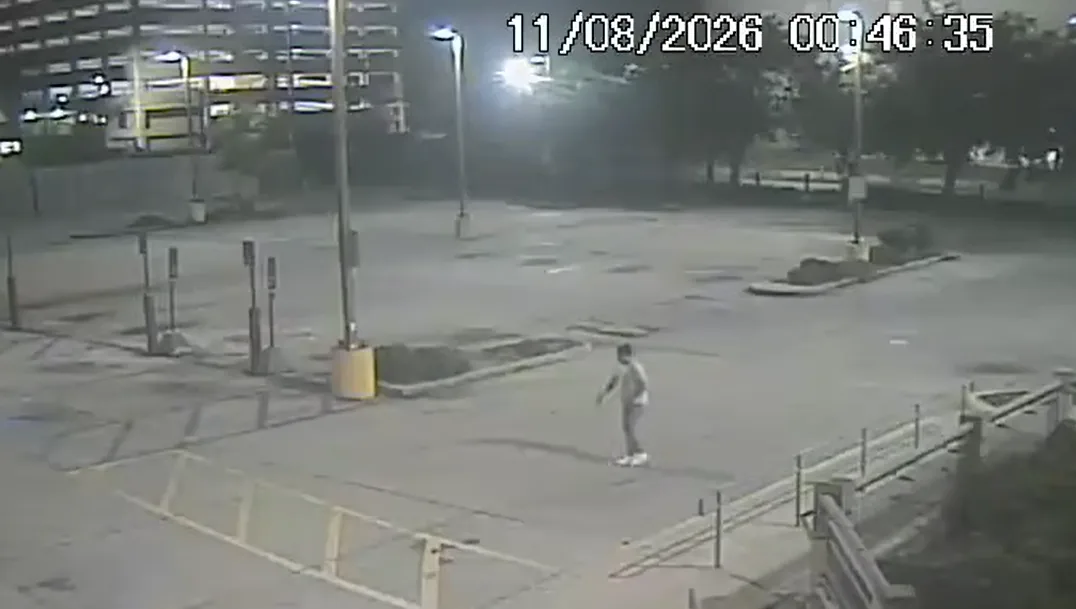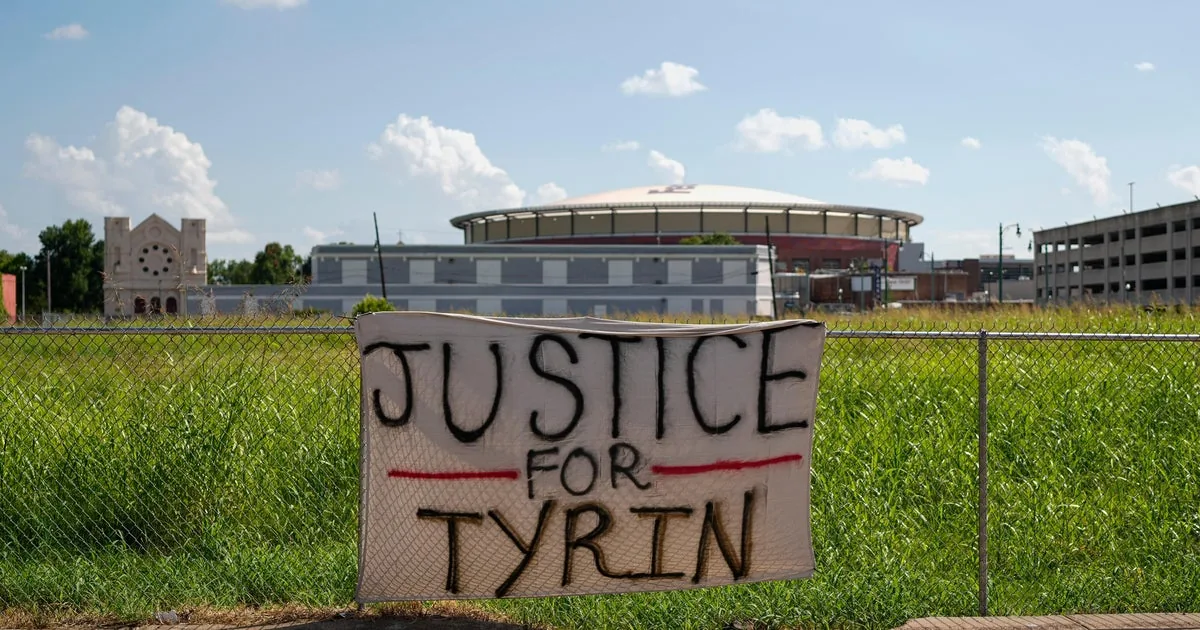
MEMPHIS, TN — Video released by Shelby County prosecutors shows Tennessee National Guard troops aiming handguns at Tyrin Johnson after he was shot and left dying on a Memphis sidewalk in July. The footage, taken from body cameras, stationary cameras and a bystander’s cellphone, is part of an open investigation by the Tennessee Bureau of Investigation.
The Facts
- What: Bodycam and other video released by prosecutors shows the aftermath of a fatal shooting involving Tennessee National Guard troops and Tyrin Johnson.
- Where: The shooting happened in Memphis, with the video showing the scene on a sidewalk.
- When: The shooting took place July 5, and the videos were released Monday.
- Who: The man who died was Tyrin Johnson, 20. Shelby County prosecutors, Memphis police, the Tennessee Bureau of Investigation and National Guard troops are all involved in the case.
- Charges: No charges have been filed. District Attorney Steve Mulroy said he has not decided whether to bring any.
- Status: The Tennessee Bureau of Investigation is still reviewing the shooting, and the National Guard members involved have not publicly commented.
What police say
Authorities said the Guard members were working with Memphis police around 4 a.m. after reports of gunfire. Police and Guard personnel were pursuing an armed man on foot when the encounter ended in the shooting of Johnson, according to investigators.
Video from a Memphis police body camera shows officers running toward the area, saying on the radio that they were chasing a man who was armed. The footage then captures a gunshot and more shots moments later, but it does not show the instant Johnson was hit.
A Tennessee National Guard report obtained by The Associated Press says two Guard members got out of their vehicle, approached the suspect and reported that he turned toward them and pointed a tan handgun. The report says both members fired M17 handguns.
“This investigation must stay focused on the moment the guardsman fired the fatal shot and whether that action was reasonable,” attorney André C. Wharton said in a statement on behalf of Johnson’s family.
The investigation
The videos released by Shelby County’s district attorney include body camera footage, fixed-camera video and cellphone video from a bystander. Together, they show the minutes after the shooting, including officers calling for an ambulance and Guard members standing over Johnson.
Police body camera video also shows at least one Guard member moving a handgun lying on the ground before an officer tells him to leave it alone. Another Guard member is seen beginning to cut off Johnson’s shirt before the video ends.
In cases like this, investigators typically compare every available recording, interview officers and witnesses, and review reports, radio traffic and forensic findings. The goal is to match the timing of the shots, the positions of the people involved and any visible weapons with the physical evidence from the scene.
Families and defense lawyers often push investigators to preserve all video, photos and logs, since even short gaps can matter when force is at issue. Here, Johnson’s family says the autopsy report they received shows he was shot in the back, which they say conflicts with earlier accounts from police and the Guard.
What the charges mean
Mulroy has not announced charges, so the case remains in the investigative stage. If prosecutors later decide to file charges, they would have to determine whether any criminal law was violated and whether the available evidence supports a prosecution beyond a reasonable doubt.
In a shooting case involving law enforcement or military personnel, investigators and prosecutors usually focus on whether the use of force was legally justified. That review can include self-defense claims, the suspect’s actions, and whether officers or troops reasonably believed they faced an immediate threat.
If charges are filed, a defendant is typically arrested or summoned to court, then appears for an initial hearing and later a preliminary proceeding or arraignment, depending on the charge and court. Until then, the public usually sees only limited records and whatever evidence prosecutors choose to release.
The absence of charges does not mean the inquiry is over. Prosecutors may wait for forensic results, witness interviews, outside agency findings or additional recordings before making a final decision.
What happens next
The Tennessee Bureau of Investigation is still handling the case, and Mulroy has said he has not yet made a charging decision. That means the investigation can continue while lawyers for Johnson’s family press for more answers about the moments before the shooting.
No court date has been announced. For now, the next step appears to be completion of the investigative review and any decision by prosecutors on whether the facts support criminal charges.
Have information on a crime? Contact local police or Crime Stoppers at 1-800-222-8477 (TIPS).