DETROIT, MI — A Detroit woman has been charged under Michigan’s Safe Storage Law after police say her 2-year-old son found an unsecured handgun in their west side home, shot himself in the stomach and was taken to a hospital in critical condition.
The Facts
- What: Prosecutors charged a Detroit mother after police say her young child found an unsecured gun and shot himself.
- Where: The shooting happened at a home on Evergreen Road on Detroit’s west side.
- When: Police said the shooting happened shortly after 8 a.m. Tuesday, Nov. 3.
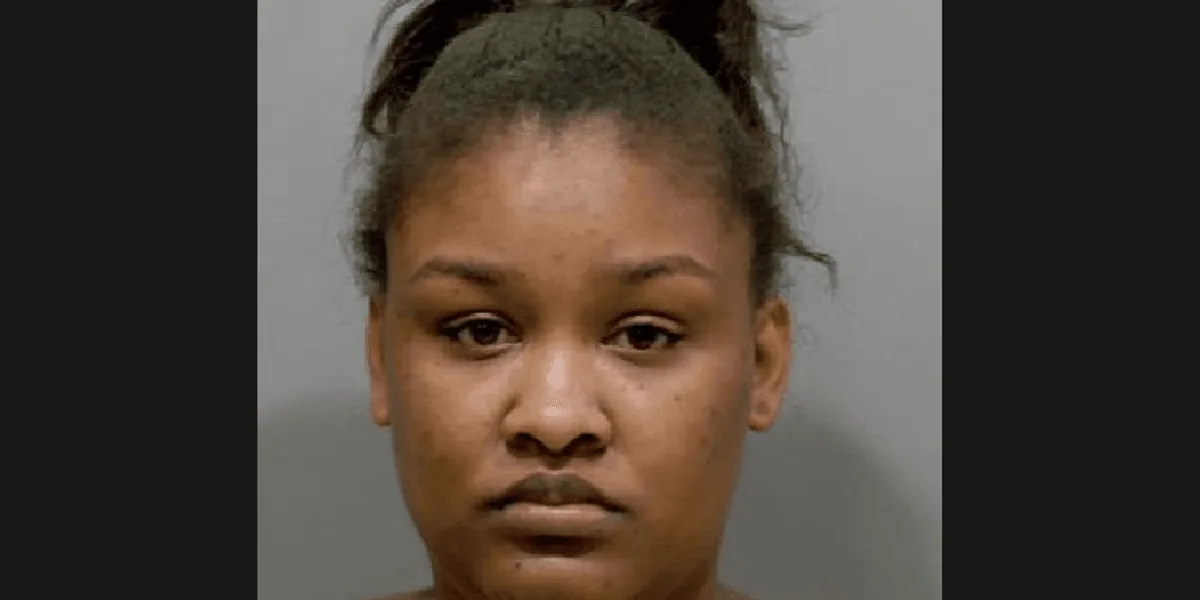
- Who: Authorities identified the mother as 26-year-old Amoya Black. Her 2-year-old son was the child hurt in the shooting.
- Charges: Black was arraigned on one count of Firearms – Safe Storage Violations – Premises Under Individual’s Control – Minor Present and Inflicted Serious Impairment of a Body Function Upon Self or Another.
- Status: Bond was set at $50,000, and a probable cause conference was scheduled for Nov. 12. The boy was reported in critical condition that day, and no later update was provided.
What police say
According to investigators, Black was cooking breakfast when the child got into a bedroom, found the gun and picked it up. Police said the boy discharged the weapon and shot himself in the stomach.
Investigators said Black heard a pop, found her child wounded and called 911. Emergency crews then took the boy to a hospital for treatment.
Michigan’s safe storage law requires unattended firearms to be unloaded and locked, or kept in a locked box or container, when a minor is reasonably known to be present or likely to be present.
Detroit police also reminded residents that free gun locks are available at city precincts without question. The Michigan Department of Health and Human Services says its gun lock distribution map lists more than 150 partner sites statewide.
The investigation
Cases like this are typically reviewed by police investigators and prosecutors to determine whether the facts support a safe storage charge and whether the evidence shows the firearm was left accessible to a child.
In many child-shooting investigations, officers look at where the gun was kept, who had access to it and whether the weapon was loaded or secured. Statements from adults in the home, physical evidence and 911 records can all become part of the case file.
Police did not release any additional details about the gun itself or say whether anyone else was in the home at the time. The boy’s current condition was not updated after the day of the shooting.
What the charges mean
A safe storage charge alleges that a gun owner failed to secure a firearm when a minor was present or likely to be present. Under Michigan law, the case can turn on whether the weapon was unattended, unloaded and locked as required.
The added allegation involving serious impairment of a body function reflects the seriousness of the injury prosecutors say resulted from the incident. In criminal cases, the exact charge level can affect possible penalties, bond and the pace of the case in district court.
An arraignment is the first formal court step, where a judge advises the defendant of the charge and sets conditions such as bond. A probable cause conference usually follows as the court begins checking whether enough evidence exists to move the case forward.
What happens next
Black’s next scheduled court date was Nov. 12 for a probable cause conference. At that stage, the court can review the prosecution’s evidence and the defense may raise early issues in the case.
As the case moves ahead, prosecutors would have to prove their allegations in court, while the defense can challenge the facts, the interpretation of the law or the strength of the evidence. The child’s medical condition may also remain important as the case develops.
Have information on a crime? Contact local police or Crime Stoppers at 1-800-222-8477 (TIPS).