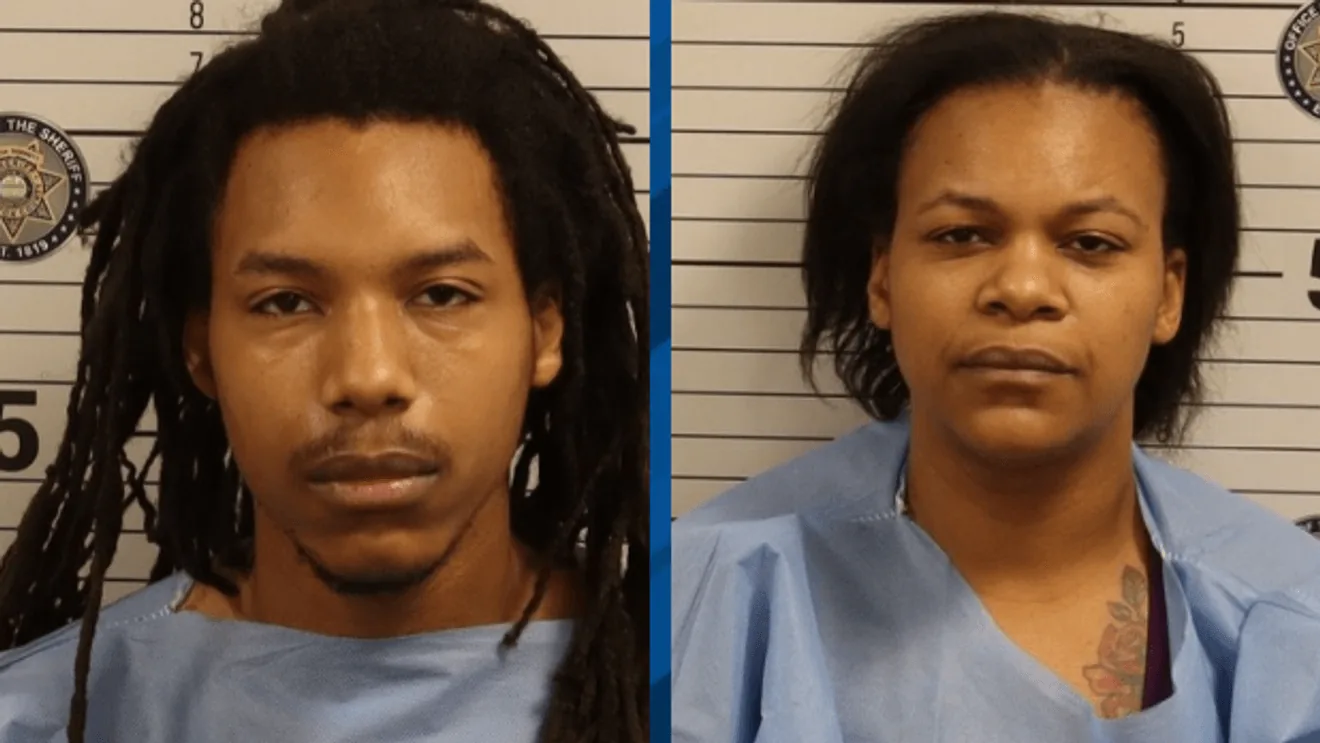
NEW ORLEANS, LA — New Orleans police say 19-year-old Antonio Myles is accused of beating 68-year-old David Hyde to death in a Claiborne Avenue parking lot and stealing his prescription medication on Nov. 8. Myles is being held without bond on a second-degree murder charge after a magistrate commissioner ordered him jailed following a dangerousness hearing Tuesday.
The Facts
- What: Police say David Hyde was beaten to death and robbed of prescription medication.
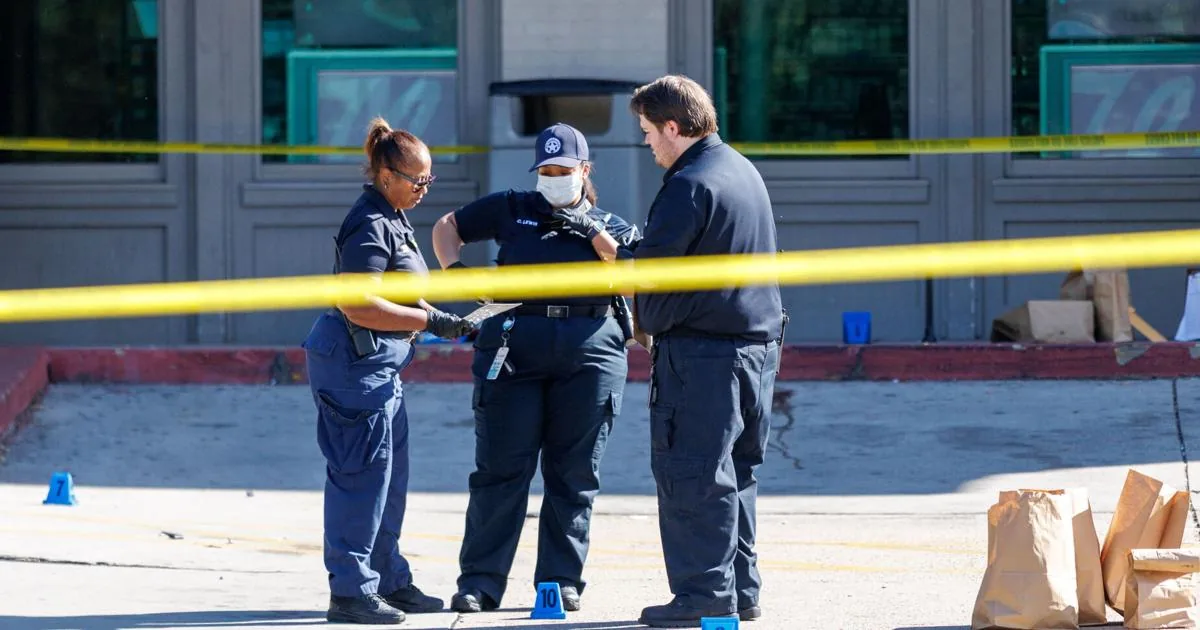
- Where: A parking lot near 4400 South Claiborne Avenue in New Orleans, in front of a Walgreens.
- When: The attack happened around 12:46 a.m. Nov. 8, according to video reviewed by investigators.
- Who: Police identified Antonio Myles, 19, as the suspect and David Hyde, 68, as the victim.
- Charges: Myles faces a second-degree murder count.
- Status: He is held without bail after a Tuesday hearing in Orleans Parish Criminal District Court.
What police say
According to New Orleans police and court records, investigators tied Myles to the killing after collecting a video clip that showed a man walking through the parking lot shortly before the attack. Officers later found Hyde unresponsive about six hours after the footage was recorded. He was pronounced dead at the scene.
Police said the coroner determined Hyde died from blunt force injuries. Court documents also say he had severe facial contusions, including shoe prints on his face. Investigators said the victim was found surrounded by scattered pill bottles outside the Walgreens.
Police also relied on statements from several people who told investigators that Myles had bragged about “beating a homeless man to death” and said he kicked the victim after he was already dead. Those claims were set out in an affidavit supporting the arrest.
“He has no remorse for the crime committed,” Assistant District Attorney Jasmine Ward said at the hearing. “He makes repeated threats to other people based on their race and repeatedly said he wishes he could do this again.”
Ward made the remarks during the dangerousness hearing, where the court decided whether Myles should remain jailed while the case moves forward.
The investigation
Investigators said the video showed a man about 5-foot-6 in a white T-shirt and jeans approaching Hyde, taking his backpack, dumping out its contents, picking up some items and destroying others. The same person was later seen using his shirt to wipe his shoes.
Police said the footage and witness statements helped build the case. After the clip circulated, multiple people reported Myles’ alleged admissions to investigators. Court records say those reports were part of the arrest package presented to the court.
In cases like this, detectives often use surveillance video, witness accounts and forensic findings together to match a suspect to a scene. They then present the evidence to prosecutors, who decide what charges to file and whether to seek pretrial detention.
What the charges mean
In Louisiana, second-degree murder is among the most serious homicide charges. It can apply when prosecutors say a person intentionally killed someone or caused a death during certain dangerous acts. A conviction can carry a life sentence without the possibility of parole, probation or suspension of sentence.
A bond hearing or dangerousness hearing is different from a trial. At that stage, the court does not decide guilt or innocence. Instead, a judge or commissioner considers whether the accused should stay in jail before trial because of the risk of flight or danger to the public.
An arrest affidavit is also not a final finding of guilt. It is a sworn statement describing why police believe the suspect should be arrested and charged. The prosecution still has to prove the case in court beyond a reasonable doubt.
What happens next
Myles was ordered held without bail after the Tuesday hearing in Orleans Parish Criminal District Court. That means he will remain jailed while the case moves through the next stages of the criminal process.
Future steps can include formal arraignment, continued discovery between the defense and prosecutors, and hearings on any motions filed by either side. If the case goes to trial, a jury would decide whether prosecutors have proved the charge.
Have information on a crime? Contact local police or Crime Stoppers at 1-800-222-8477 (TIPS).